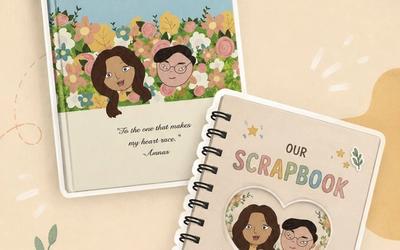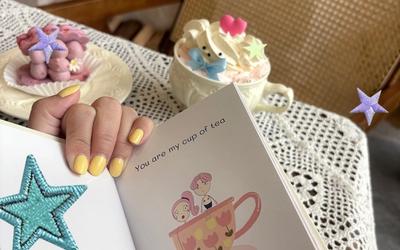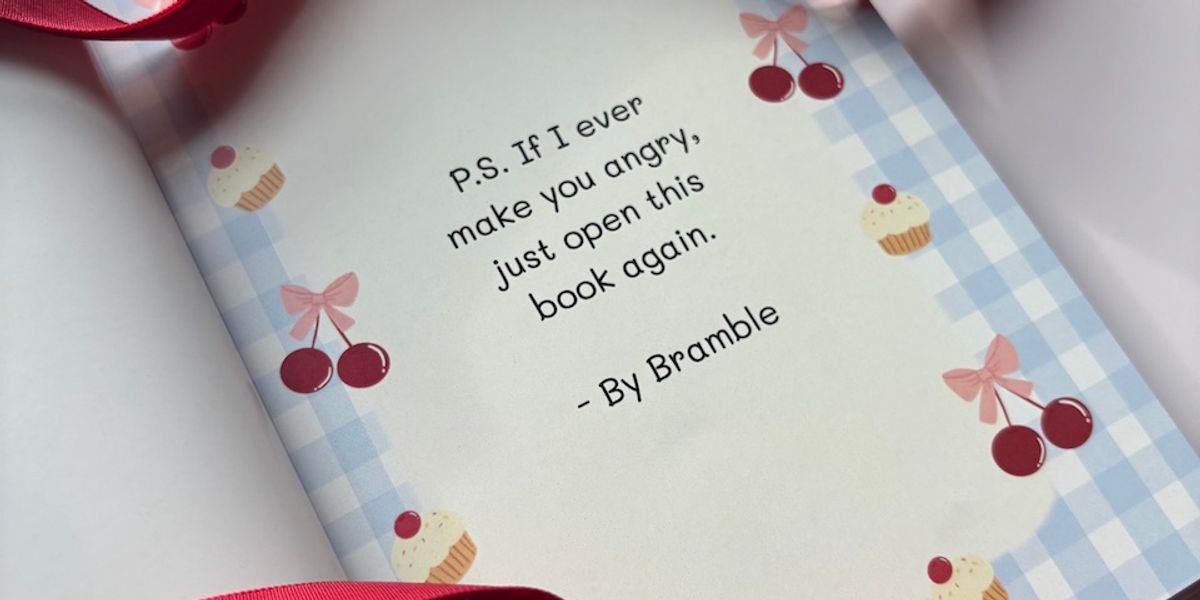
Apologizing can be tough, especially when you want to show someone how much you care. A keepsake book offers a wonderful way to express your feelings. It allows you to share memories, thoughts, or even just a simple note, showing that you genuinely feel regret and value the relationship. Let’s explore some creative ways you can use a keepsake book to say I'm sorry in a heartfelt way.
Choose the Right Keepsake Book
The book you choose does a lot of the talking before you write a single word. It shows you understand their taste and sets the mood for your apology. Aim for something that feels like them, not just something you like.
How to pick well:
- Think about their style. Do they love simple and clean, bright and playful, or vintage and warm Is a leather cover their thing, or would a soft fabric or recycled paper feel more thoughtful
- Match the format to how you plan to use it. If you want to add photos or ticket stubs, look for thicker pages, photo corners, or a pocket in the back. If you prefer guidance, choose one with prompts. If you want to sketch or include small drawings, choose blank or thick paper. Writers often prefer lined or dot grid pages.
- Check the paper quality. Hold a page to the light. Thicker paper helps prevent ink showing through. If you use markers or a fountain pen, you need sturdy, archival paper.
- Choose a size that fits their life. A small book slips into a bag for daily notes. A larger one gives room for longer letters and photos. Make sure it opens flat so writing is easy.
- Look for useful details. A ribbon marker, numbered pages, a table of contents, or a simple elastic band can make it feel special and practical.
- Be mindful of tone. A bold pattern might be fun for a lighthearted apology. A calm, neutral cover suits a more serious note.
Before you commit, test the paper with your pen on a spare sheet if you can, and count whether there are enough pages for what you plan to include. A thoughtful choice here makes the rest of your message feel sincere and personal.
Reflect on the Situation
Real reflection helps you avoid a vague apology. When you name what happened and how it landed, the other person feels seen. It also gives you clear material for your keepsake book so it feels honest, not generic.
How to do it:
- Find a quiet spot and write by hand if you can. Set a 10 minute timer and free write what happened without editing.
- Make a simple timeline. What led up to it, what you did or said, what happened after.
- Separate intent from impact. You may have meant well, but write down how your actions likely felt on their side.
- Use accountable language. Start sentences with I did and I failed to instead of If you felt or I was just.
Cut out excuses. Remove words like but and only. Keep what is concrete.
Pick two or three specific moments to include in the book. Jot short lines you can later turn into captions or page notes, for example:
- I interrupted you during the meeting on Tuesday. I took over and dismissed your idea. That was hurtful.
- I canceled our plans at the last minute. That told you my time mattered more than yours.
- I raised my voice. You went quiet. I made you feel unsafe speaking up.
End your notes with what you are taking responsibility for and what you will do differently next time. This gives your keepsake book a clear, sincere foundation.
Craft a Meaningful Apology
Starting the book with a clear apology sets the tone for the rest of it. It shows you are not dodging responsibility and that you care about how your actions landed. A direct apology lowers defenses and opens the door for real repair.
How to write the first page
1. Title the page simply: My apology.
2. Begin with one clear sentence that names what you did. Keep it specific and factual.
3. Name the impact on them. Show you understand how it felt from their side.
4. Express remorse with I statements. Avoid explanations here.
5. Share one concrete step you will take to prevent a repeat.
6. Invite their voice. Let them know you are ready to listen when they want to share.
Sentence starters you can use
- I am sorry for...
- I regret that I...
- I see that my actions made you feel...
- I understand now that...
- I will...
- If you want to talk, I am ready to listen.
Keep it short. Aim for five to eight sentences. Read it out loud and remove any words that soften the apology, like but, just, if, or actually.
Example
I am sorry for shutting down during our conversation on Tuesday and walking out. I can see that it made you feel dismissed and alone. I regret my choice and the hurt it caused. I will take a pause next time and tell you I need ten minutes, then come back to finish the talk. Thank you for reading this. I am ready to hear how this felt for you when you are ready.
Practical tips
- Handwritten feels personal. If your handwriting is hard to read, print neatly.
- Date the page. It shows you take this moment seriously.
- Keep the layout clean. Leave some space for them to add thoughts later.
- Do not include excuses or details about why you did it on this page. Save context for later pages if needed.
Avoid
1. Conditional lines like If I hurt you. Say I know I hurt you.
2. Blame shifting. Do not mention their actions in your apology.
3. Bargaining for forgiveness. The goal is to own your part, not to get a quick fix.
Share Memorable Moments
Why it matters:
When someone is hurt, it is easy for the conflict to feel bigger than everything else. Shared memories bring back warmth, safety, and the feeling that you are a team. They remind both of you why the relationship matters and show you are willing to do the work to fix things.
How to do it well:
- Choose moments that show care and connection, not just perfect smiles. Think firsts, a rough day you got through together, a small tradition, a quiet night that felt special.
- Include simple artifacts with a short note. Photos, a ticket stub, a receipt from a favorite meal, a map printout of a place you visited. Add one or two lines about why it mattered.
- Write captions that go beyond the date. Share what you felt, what you appreciated about them, or what you learned. For example, I was nervous that night and you made me laugh. I felt safe with you.
- Be thoughtful about sensitive memories. Skip anything that might reopen the wound or feel like you are glossing over the issue. Aim for comfort and sincerity.
- Create a clear flow. Arrange memories in a loose timeline to tell your story as a couple. Start with an early bright spot, include a time you supported each other, and build toward a hopeful note.
- Keep it light on clutter. One page per memory is plenty. A photo, a keepsake, and a short note is more powerful than a crowded page.
- Add one page for the future. Leave a blank spot labeled Our next memory together and include an idea for a simple plan, like a walk to your favorite coffee spot. It signals you want to move forward together.
Small touches that help:
Use handwritten notes, include dates when you remember them, and write in your natural voice. Honest and specific always feels real.
Include Future Intentions
Why it matters
A clear plan turns an apology from words into change. It reduces anxiety about the same problem happening again and gives both of you something concrete to watch for. It also shows you are taking responsibility, not shifting it to them.
How to do it in the keepsake book
1. Give this a page of its own
Title it What I will do next. Keep it short and specific so it feels honest and doable.
2. Use I statements that name a trigger, an action, and a time frame
Try two or three promises you can actually keep. Avoid always or never.
Examples you can copy or adapt:
- When I notice I am getting defensive, I will pause, take one deep breath, and ask you to finish your thought before I respond.
- If I am running late, I will text as soon as I know and give a new time. If it is more than 10 minutes, I will call.
- I will put my phone in another room during dinner and focus on you.
- I will schedule a counseling session by Friday and share the appointment time.
- I will set a weekly 20 minute check in every Sunday evening to talk about how we are doing.
3. Add a check in plan
Write how and when you will review progress together. Example:
Let us look at this page in two weeks and mark what is working and what needs adjusting.
4. Invite their input
Leave a few lines for them to add one or two things that would help them feel safe and heard. Example:
What would help you most next time this comes up
Please write it here.
5. Include a safety net for slips
Show how you will handle mistakes without excuses. Example:
If I slip, I will own it within a day, apologize, and restate the plan.
6. Make it trackable
Add a small checkbox or space after each intention for Date done or Notes. Seeing progress builds trust.
Tips for keeping it real
- Choose fewer promises and keep them. You can add more later.
- Be specific about when, where, and how you will act.
- Do not make promises that depend on someone else. Keep the focus on your actions.
- Write it in your own voice. If it sounds like you, it will feel sincere.
Add Creative Touches
Small creative details show time, thought, and care. They help soften tension, make your apology feel personal, and turn the book into something they will want to keep.
How to do it well:
- Choose a simple theme. Pick a shared memory, a favorite place, or an inside joke as a thread. Repeat a color, symbol, or phrase so the pages feel connected.
- Add drawings, even if you are not an artist. Stick figures, mini comics, or traced outlines from a photo can tell the story of what happened and what you learned. Label feelings and moments so your intent is clear.
- Use quotes that mean something to both of you. Choose one or two lines from a song, book, or movie you both know. Write a short note under each one about why it fits. Keep attribution small and neat.
- Write a short poem. A tiny haiku or an acrostic using their name can be simple and touching. Focus on your part and what you will do better.
- Include small mementos. Tape in a ticket stub, a map snippet, a pressed leaf, or a photo. Add one sentence that links it to your apology or a happy memory you hope to return to.
- Play with layout. Give important lines their own page. Leave some blank space so the book does not feel crowded. Use two or three ink colors to guide the eye.
- Add a personal soundtrack. Print a small QR code to a playlist or a short voice note. Title it something gentle and clear. Keep the link private.
- Use margin notes. Scribble quick asides, a little heart next to their favorite joke, or a date stamp near each memory. It feels conversational and real.
Tone and boundaries:
Keep humor soft and kind. Do not joke about the hurt itself. Avoid excuses. Make sure photos or private notes are things they would be comfortable seeing again.
Practical tips:
Test pens on a back page to avoid bleed through. Lightly pencil first, then ink. Number pages and keep a simple table of contents if the book is longer. Stop before it gets cluttered, a few honest touches beat a pile of decorations.
Present it thoughtfully
Why it matters: The way you share the book sets the tone for your apology. A calm, private moment shows respect and care, which makes it easier for them to receive what you are saying.
How to do it well:
- Pick a quiet time when neither of you is rushed. Ask first: I have something personal I made for you. Is now a good time or would later be better?
- Choose a comfortable spot with few distractions. Turn off the TV and put phones away. Dim lights or light a candle if that feels natural for both of you.
- Keep the moment simple. Bring a small touch that you know they like, such as their favorite tea, a cookie, or a small bunch of flowers. It should feel thoughtful, not like a grand performance.
- Hand them the book and speak briefly. Try: I am sorry. I made this for you. Please take your time with it. I am here when you are ready to talk.
- Give them space while they look. Sit nearby, stay quiet, and resist the urge to explain every page.
- After they finish, ask one gentle question: Would you like some space or would you like to talk now? Let their answer lead the next step.
If you are not in the same place, wrap the book with care and add a short handwritten note with a calm opening line. Send it when they will be home and follow up with a simple message asking them to open it when they feel ready. Offer a call afterward if they want to talk.
Avoid public places, busy times, or anything that pressures them to react on the spot. Keep the focus on them and the message of the book.
Be prepared for their response
Why this matters:
You are offering an apology, not asking for instant relief. Being ready for any reaction shows respect and keeps the focus on their experience. It also lowers the chance that you will get defensive if the moment is hard.
How to do it well:
- Choose the setting with care. Pick a quiet, private place. Ask if they would prefer to read the book with you or on their own.
- Keep your opener short. Try: I made this to say I am sorry. You can read it whenever you want. I would like to hear how you feel when you are ready.
- Expect mixed feelings. They might be grateful, unsure, or angry. Your job is to listen without fixing or arguing.
- Use simple validation. Try: Thank you for telling me. I hear that you felt hurt when I did that. It makes sense that this is hard to trust.
- Ask before explaining. Would it help if I share what I was thinking then, or would you rather I just listen right now.
- Watch your body language. Uncross your arms, keep your voice calm, nod, and let pauses happen. Put your phone away.
- Avoid defensiveness triggers. Skip words like but, only, and you too. Do not ask for forgiveness on the spot.
- If they are skeptical. Try: I get why this could feel like a big gesture. I am not asking for a free pass. I will show change over time.
- If they are upset. Try: I am sorry. I can hear how much this hurt. I am here to listen. If things get heated, suggest a pause without walking out on them: I want to keep talking. Can we take a short break and pick this up later today.
- If they need space. Say: I respect that. Would it be okay if I check in tomorrow, or would you prefer to reach out when you are ready.
- Set a clear next step. Agree on when and how to follow up. Then stick to it.
- Regulate yourself. Breathe slowly, feet on the floor, relax your jaw, and count a few breaths before you reply.
Remember, the goal is a real conversation. Let the book open the door, then let their response lead.
Follow Up
Why it matters:
After you share the book and talk, emotions are still high. A little space lets both of you process. A thoughtful check in shows your apology is real and ongoing, not a one time moment.
How to do it well:
- Give them time. Aim for a couple of days unless they ask for more or less. Respect their pace.
- Reach out in the way they prefer. Keep it short and low pressure.
Sample messages you can send:
- Thank you for taking time with the book. No need to reply now. I meant what I wrote and I am here when you are ready.
- I would like to hear how the book felt for you. If you want to talk this week, what day works?
If they are open to talking, focus on listening:
- Ask one or two clear questions. What part helped? What still hurts? What do you need from me now?
- Reflect back what you hear and thank them for being honest.
- Turn it into action. Name a small change and a date. For example, I will be on time for our plans this month. If I might be late, I will text you at least an hour ahead.
Keep the effort steady:
- Agree on the next check in and stick to it. For example, Can I check in on Sunday afternoon?
- Share brief updates that match what you promised. I kept Tuesday evening free for us as we discussed.
- If they ask for more time, honor it. If you do not hear back, send one gentle message after a week, then give space: No rush. I am here when you want to talk.
Consistent, calm follow through is what rebuilds trust over time.
Using a keepsake book to express your apology can add a personal touch that words alone might not convey. Take your time to create something meaningful. Your effort will show how much you care and help strengthen your bond.