Most couples don't forget the big moments. They forget the small ones and the details. The terrible restaurant where you had your first real conversation, the nickname that started as a mistake, the way the two of you got hopelessly lost on that trip and still call it your best day. Those details are the real story of your relationship, and they slip away faster than you'd think.
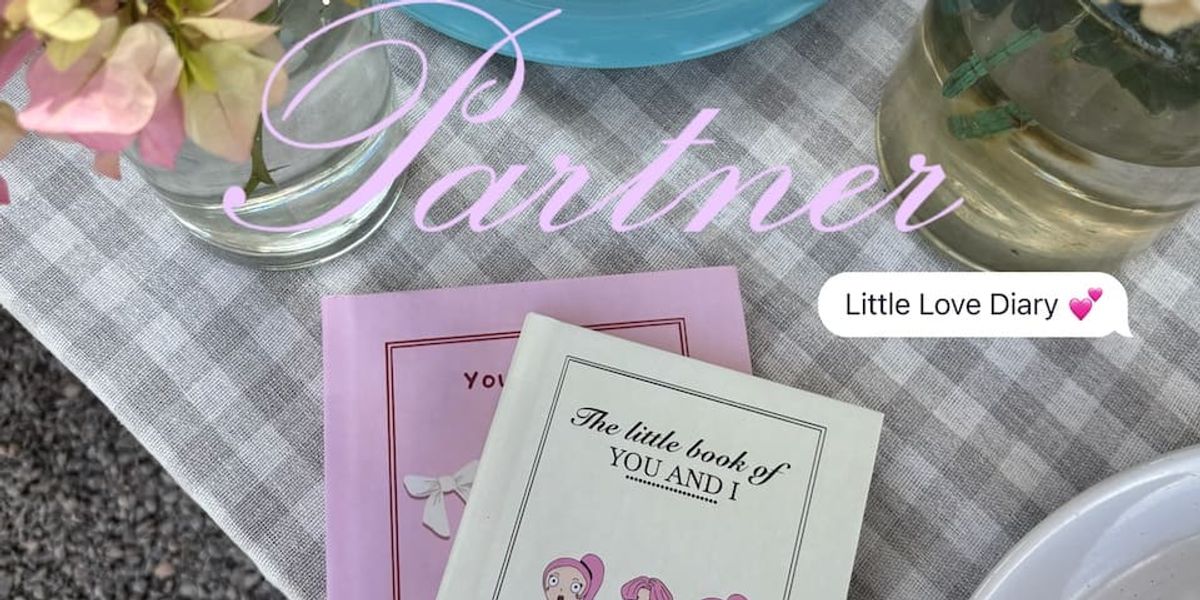
A custom love book at little love diary is one of the few gifts that help you remember them. It's not a piece of generic card. It's a story of the two of you collected in one place and made to last.
This guide walks you through the whole process of: what a personalized love book actually is, how to gather your milestones, what to write when the words won't come, and how to decide between a digital and a printed version. By the end, you'll have a clear plan and everything you need to start.
What Is a Personalized Love Book?
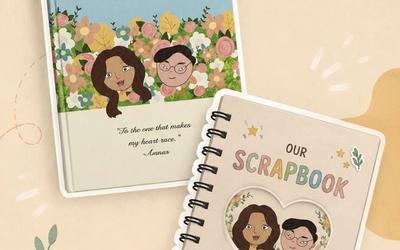
A personalized love book is a keepsake that tells your relationship story using your real names, memories, photos, and inside jokes. Think of it as part scrapbook, part storybook, part love letter. Creating your book at our platform is slightly different. You don't get to upload your own photos, yet. But you get to create characters that resembles you and your loved one, put them in your book and tell your own story.
Instead of reading a poem someone else wrote for no one in particular, your partner opens a book that is unmistakably about them and about you. This doesn't just apply for romantic relationships. You can show appreciation for your parents or any other relationships you'd like to keep in your memories for as long as the book last (forever :D).
There are a few common formats:
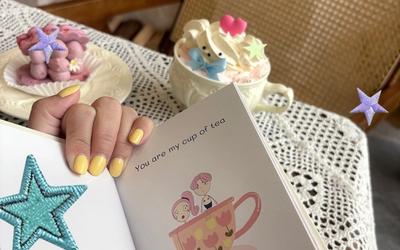
- Illustrated story books, where your relationship is told as a narrative with custom artwork (that my wife designed - hand drawn), often portraying the two of you as characters.
- Letter and list books, built around reasons you love someone, favorite memories, or answers to prompts.
- Hybrids, which combine illustration, photos, and handwritten-style notes.
What they share is intention. A love book works because you chose every page. Your partner isn't just receiving an object. They're receiving evidence that you were paying attention.
Why it lands harder than most gifts
Most gifts say "I thought of you." A love book says "I remember everything." It captures specifics: the song that was playing, what you were wearing, the joke nobody else would understand. That specificity is what makes people tear up.
It also keeps getting better with time. A candle burns down and flowers wilt, but a book on a shelf becomes something you pull out on anniversaries, hard weeks, and quiet Sundays. Many couples add to theirs year after year.
Who it's for
Love books suit nearly every stage of a relationship: a first anniversary, a wedding gift, a long-distance stretch, a milestone birthday, a proposal, a "just because" surprise, or a way to say thank you after a difficult year. You don't need a special occasion. You only need a person you want to remember with.
Mother to son. Daughter to grandmother. Girlfriend to boyfriend. These are the most common we have now.
How to Curate Your Couple Milestones
The hardest part of making a love book isn't design or writing. It's knowing what to put in. Most people start with a blank page, freeze, and either give up or fill it with generic sentiments. The fix is to collect before you create.
Step 1: Build a raw memory list
Set a timer for 20 minutes and write down every memory that comes to mind, with no editing. Don't judge or rank anything yet. Aim for quantity. Prompts to jog your memory:
- The first time you saw each other, and what you each thought
- Your first date, including anything that went wrong
- The first time you said "I love you" and where you were standing
- Trips, weekends away, and day trips that went sideways
- Rituals: Sunday breakfasts, a weekly show, a shared playlist
- Moments when your partner showed up for you in a hard time
You'll likely end with 30 to 60 entries. That's your raw material.
Step 2: Mine your digital archive
Your phone is a memory vault. Scroll back through your camera roll, saved messages, and old social posts. Look for:
- Photos that capture a feeling, not just a location
- Screenshots of funny texts or early messages
- Voice notes, tickets, receipts, and maps from trips
- Anything that reminds you of a specific day
Save the best finds into one folder as you go. Having images ready makes the building stage much faster.
Step 3: Capture the inside jokes
Inside jokes are the heart of a good love book, and also the easiest thing to forget. Write down:
- Nicknames and where they came from
- Phrases only you two say
- Running gags and recurring arguments you now find funny
- Mispronunciations, mishearings, and mistakes that became legend
If you can't remember the origin of a joke, ask a mutual friend or look through old messages. The backstory is often better than the punchline.
Step 4: Choose a structure
Now shape your list into a story. A few reliable structures:
- Chronological: from "how we met" to "where we are now." Simple and satisfying.
- Thematic: chapters like "Adventures," "Little Things," and "Hard Days We Got Through."
- Alphabet or numbered list: "26 reasons I love you" or "10 things I'd do over again."
- Then, now, next: past memories, present gratitude, and promises for the future.
Pick 8 to 15 moments that best represent your relationship. A focused book beats an exhaustive one. Include a mix of big milestones and tiny, funny, human details.
Step 5: Add one thing they don't expect
Most love books are built from memories your partner already knows. Surprise them with something new: a confession ("I knew on our second date"), a detail from their point of view, or a promise for the years ahead. That one unexpected page is often the one they remember most. We have a few templates for different occasion and relationship. So do check them out.
Writing Prompts for Partners Who Don't Know What to Write
Many people want to make a love book but panic at the writing. They're afraid of sounding cheesy, repeating clichés, or not being "good with words." Here's the truth: you don't need to be a writer. You need to be specific. Specific beats poetic every time.
Use these prompts as starting points. Answer in a sentence or two, then refine.
Prompts about the beginning
- What was my very first impression of you? Was I right?
- What did I notice about you that nobody else seemed to?
- When did I realize this was something real?
- What do I remember most about our first date?
Prompts about who they are
- What is the first thing that makes you laugh every time?
- What do you do when you think nobody's watching that I secretly love?
- What's a small habit of yours that has become my favorite thing?
- How do you make an ordinary day feel better?
Prompts about shared memories
- What is a day I'd relive in a heartbeat, and why?
- What is a moment that went wrong but turned out perfect?
- What song, smell, or place instantly takes me back to us?
- What is a time you surprised me by how well you knew me?
Prompts about the hard parts
- When did you show up for me when I needed you most?
- What is something we got through together that I'm proud of?
- What did we learn about each other during a difficult season?
Prompts about the future
- What do I want to do with you at 60?
- What's one promise I want to make?
- What adventure is still on our list?
- What do I hope never changes about us?
Sentence starters when you're truly stuck
If even the prompts feel like too much, borrow a sentence starter and finish it honestly:
- "I love the way you..."
- "I never told you this, but..."
- "The moment I knew was..."
- "Whenever I think of us, I picture..."
- "Thank you for..."
Three writing tips that make a big difference
Write the way you talk. If you wouldn't say a phrase out loud, cut it. Your partner wants to hear your voice, not a greeting-card voice.
Use concrete details. "You're so thoughtful" is forgettable. "You remembered I hate cilantro and quietly picked it off my plate without saying a word" is unforgettable.
Keep each page short. A love book isn't a novel. One strong memory and two or three sentences per page often lands better than a long paragraph.
Digital vs. Printed Illustrated Books: Which Should You Choose?
Once your content is ready, you'll face a practical choice: a digital book, a printed book, or both. Personally, being able to touch and feel the book just hits differently. The right answer depends on your timeline, your partner, and the moment you have in mind. If you are a last minute type of person, you'd probably need the digital version to print it yourself. Our hardcover have a 5 days curing time to make sure the book last very very long. Check out shipping rates here too.
Digital love books
Pros
- Instant delivery, ideal for last-minute gifts
- Shareable by link, which works well for long-distance couples
- Easy to update or add pages as the relationship grows
- Usually more affordable
- Nothing to ship, lose, or damage
Cons
- Lacks the physical presence of an object on a shelf
- Easier to forget about once the screen closes
- Feels less ceremonial for big moments like weddings or proposals
Printed love books
Pros
- A tangible keepsake that sits in your home
- Feels weighty and ceremonial, perfect for anniversaries and milestones
- Can be gifted, wrapped, and opened together
- Lasts for decades when well made
Cons
- Production and shipping take time, so order early
- Costs more
- Harder to edit once it's printed
A simple way to decide
- Choose digital if the occasion is close, you're apart, or you want something playful and easy to share.
- Choose printed if the occasion is significant, you'll be together to open it, or you want a long-term heirloom.
- Choose both if you want the instant reveal now and the physical copy later. Many people send the digital version on the day and let the printed one arrive as a second surprise.
Walkthrough: creating a book with Little Love Diary
If you'd rather not design layouts or commission artwork yourself, a platform built for this makes the process far simpler. Here's how the creation flow works with Little Love Diary, from first click to finished keepsake.
1. Create the Characters. Begin by entering the basics: both your names, create the characters.
2. Create the Book. The book creation process is straightforward. You need to select the giver and recipient. Select the relationship and occasion. Select a cover you like. And the next step, the preset templates will be populated in the pages
3. Create your Story. How you met, and the occasion you're celebrating. This sets the tone for the whole book. Have your memory list from earlier open in another tab so you can pull from it.
4. Add your milestones and inside jokes. Next, share the moments you curated: the first date, the trip you still talk about, the nickname with the odd origin. The more specific your details, the more personal the finished pages feel. This is where your preparation pays off.
5. Personalize the words. Add your own messages, favorite lines, or a dedication page. This is the place to use the writing prompts above, such as the "I never told you this" confession or your promise for the future.
6. Preview your book. Before finalizing, flip through the full preview. Check names, dates, and spellings, and make sure the order of the story feels right. Little errors are easy to fix now and painful to find later.
7. Choose digital, printed, or both. Finally, pick your format. Go digital for an instant reveal, printed for a keepsake your partner can hold, or order both. If you're printing for a specific date, build in a buffer for production and delivery.
8. Gift it with a moment. However it arrives, make the reveal part of the gift. Read the first page aloud, sit together while your partner flips through it, or leave it somewhere they'll find it with a short handwritten note.
Final Tips for Making It Meaningful
A few last things to keep in mind as you put your book together:
- Start early. Even a week gives you time to remember things you'd otherwise miss.
- Be honest, not perfect. The imperfect memories are often the most loved ones.
- Include the hard parts. Mentioning what you got through together makes the happy pages mean more.
- Proofread twice. Wrong names and misspelled places stand out more than you'd expect.
- Leave room to grow. Consider ending with a blank page or a line like "to be continued."
- Plan early. Expedited shipping cost is high. Way too high. Plan early so your book reaches before your important date.
Frequently Asked Questions
How long does it take to make a love book? Gathering memories and writing takes most people a few hours spread over a few days. Creating the book itself can be much quicker with a guided tool.
Do I need to be a good writer? No. Specific, honest sentences always beat polished ones. Use the prompts above and write the way you talk.
How many pages should it have? Between 10 and 30 pages is plenty. Quality and personality matter more than length.
What if I don't have many photos? Illustrated books don't depend on photos. Your stories and details carry the book, and artwork fills in the visuals.
Is it still romantic if it's digital? Absolutely. The meaning comes from the thought and detail inside, not the format. A digital book delivered at the right moment can mean just as much as a printed one.
Start Your Story
A love book is a rare kind of gift. It gets more valuable the longer you keep it. The memories you collect today are the ones that fade first, and putting them on the page is a way of protecting them. Start with your raw memory list, answer a few prompts, and let the story take shape. Your partner won't remember how polished the sentences were. They'll remember that you noticed everything.
Ready to turn your memories into a keepsake? Begin your own book with Little Love Diary and give your partner a story that's entirely yours.