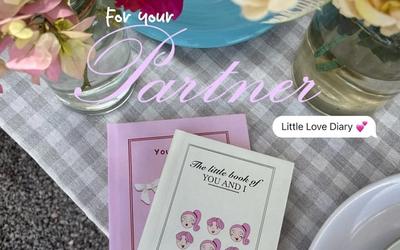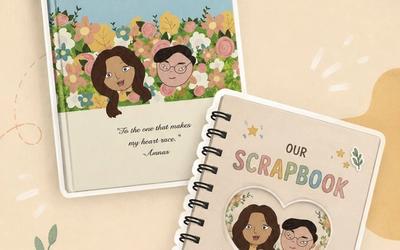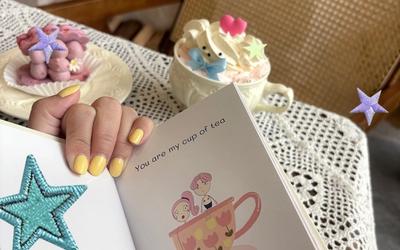
Have you ever wondered why some people light up at the sight of a gift? If you're curious about what receiving gifts as a love language means and how it works, you’re in the right place. Let’s dive into this topic together and see how it can enhance your relationships.
Gift = Sign of Love?
Receiving gifts as a love language comes from the five love languages introduced by Gary Chapman in 1992. For people who connect with this style, a gift is a simple way to say I see you and I care. It is not about price. The best gifts are thoughtful tokens that reflect personal history, shared memories, or everyday interests. They turn big days and small moments into something you can hold.
People who value receiving gifts often remember occasions by the physical sign of affection they can keep. Research in the Personal Relationships journal suggests that gift giving can support trust and satisfaction between partners. Knowing this preference helps couples avoid misunderstandings, like mistaking the need for a visible gesture as materialism. In daily life it means noticing subtle hints, listening for what they enjoy, and choosing gifts that match their values.
Why gifts matter
If receiving gifts is your love language, a present is not about price. It is proof that someone noticed you and remembered what matters to you. Gift receivers often see small tokens as signs of thought and listening. The simple act of choosing something that ties back to a memory or a dream can spark warm feelings right away. Psychology Today notes that thoughtful presents can boost oxytocin levels and help deepen emotional bonds.
Gifts also mark milestones like anniversaries or a first date, and they can show support on hard days when words fall short. The specific nature of the item usually matters more than its cost. A favorite snack for a stressful week, a book by a loved author, a mug with a quote you often say, a playlist from a shared trip. Each one says I paid attention to your likes and your mood.
When receiving gifts is your love language, surprise plays a role too. An unexpected note in a coat pocket or flowers picked on a walk can keep the connection fresh without feeling forced. Think of gifts as tiny snapshots of care. Over time these small choices add up, telling your partner I see you and I am thinking about you even when we are apart.
Psychological roots
Gift giving is tied to social bonding across human history. Anthropologists see gift exchange in many cultures as a way to build alliances or show respect. In modern relationships, receiving a gift can trigger the reward center in the brain. Research in Frontiers in Psychology suggests that giving and receiving small tokens helps people feel seen.
Neurochemicals like dopamine can light up when someone notices your preferences and follows through with a thoughtful present. For some people, this is the primary way they register love. If receiving gifts is your love language, a small and timely item can feel as meaningful as a long talk or a hug.
You can use this insight in simple ways:
- Ask questions about favorites and wish lists, then note what gets a smile.
- Watch reactions to daily surprises like a snack they mentioned or a saved article.
- Keep a short list of ideas so you can respond when a moment pops up.
These small steps help partners tune into each other and make the meaning behind the gift clear.
Practical gift giving tips
If receiving gifts is their love language, these simple gift giving tips will help you pick thoughtful gifts that feel personal and meaningful.
• Listen for details in everyday talk. If they mention missing a childhood candy, grab a small bag to bring back the memory.
• Browse local markets for handmade items that match their hobbies or interests.
• Keep a note on your phone with sizes, favorite colors, and favorite snacks. • Timing matters. Surprise them on a random day or during a low moment, not only on big dates.
• Add a personal note or a photo when you wrap the gift to make it feel special.
• Track what you have given before so you do not repeat the same gift. • Aim for consistency, not grand gestures.
• Even a single flower or a postcard sent in the mail can show care and attention.
Avoiding common mistakes
- Skip gifts that feel like chores or self duty. A new mop or organizer can land as work, not love, unless they asked for it and get real joy from it.
- Do not try to impress with a pile of pricey items. In the receiving gifts love language, thought and fit matter more than cost, and too much can feel overwhelming.
- Avoid last minute supermarket buys with no personal link. If it could be for anyone, it will not feel special to them.
- Do not give things with hidden messages about change or self improvement. No diet books, fitness passes, or products that hint at fixing something.
- Be careful with purely useful items. If it is practical, pair it with a personal touch, like their favorite color or a note that shows you listened.
- Keep receipts or a gift receipt so a swap is easy and drama free. Tell them you want them to love what they keep.
- When in doubt, ask subtle questions.
Try prompts about dream items, past favorites, saved wish lists, favorite scents, authors, colors, or brands.
- Keep it genuine. For someone who values the love language of receiving gifts, a small item tied to a shared memory often beats a flashy purchase.
If you wonder what receiving gifts as a love language means in everyday life, here are a few simple examples that show how thoughtful gifts can carry real meaning.
- One couple I know marks monthly dates with a tiny plant chosen for its resilience. It reminds them of growth in their relationship and keeps the focus on care, not cost.
- A friend surprises her partner at work with a coffee mug that carries a private joke. That small token sparks laughter and helps them reconnect on a busy day.
- A coworker sent me a simple snack basket when I was under stress. It lifted my mood and showed genuine concern.
In each case the value is in the attention to what mattered to the receiver. Notice the details your person loves, then adapt these ideas so the love language of receiving gifts fits your relationship and your style.
Understanding how receiving gifts plays a role in showing love can bring you closer to those special to you. Whether you appreciate thoughtful gestures or know someone who does, these insights can make a difference. Don’t forget to drop a comment sharing your experiences or share this post with friends who might enjoy it!